
Signalomformere
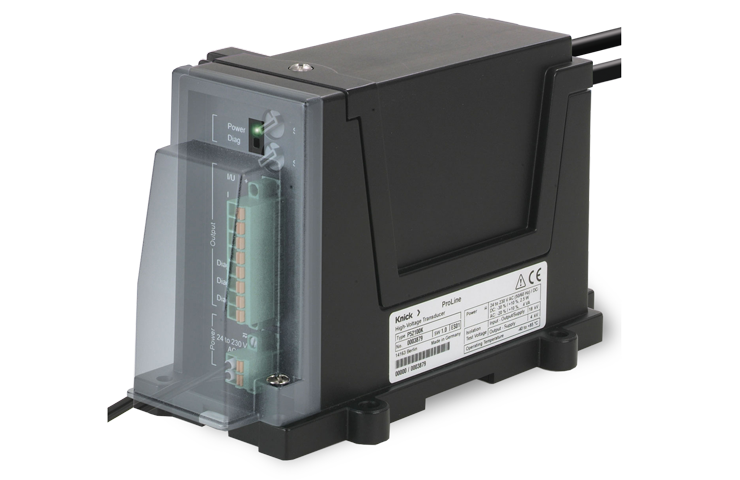
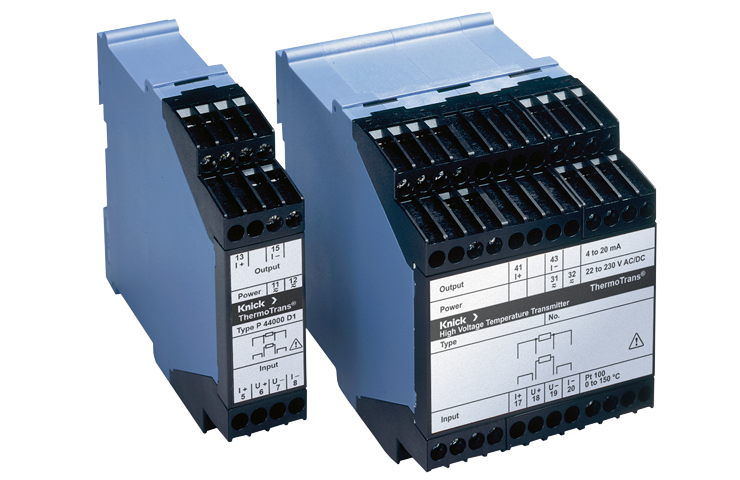
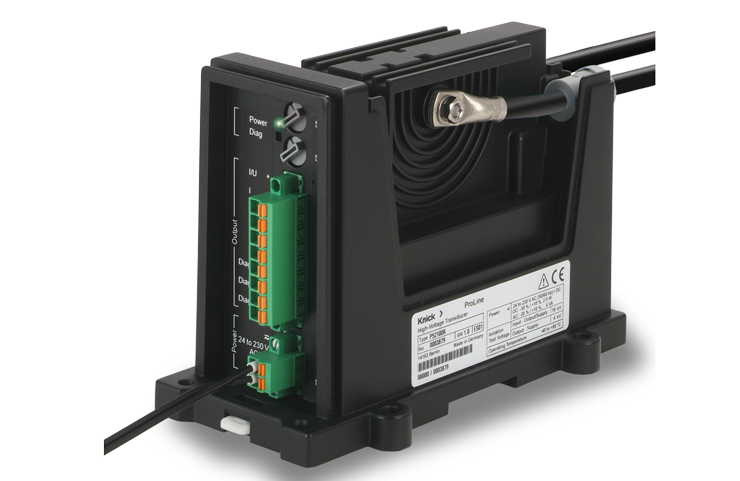
En signalomformer konverterer signaler fra sensorer til industrielle strømsignaler, analoge inngangssignaler til analoge utgangssignaler, normaliserer signaler eller isolerer signaler. Kritisk prosessmåling som f.eks. temperatur, trykk, nivå, hastighet eller strøm i en produksjonsprosess er ofte utsatt for støy og tøffe miljøforhold som resulterer i feilsignal. Signalomformere bidrar til å beskytte målingene og å gi et pålitelig signal.
Det finnes flere typer signalomformere; analog-til-digital-omformere (ADC), digital-til-analog-omformere (DAC), frekvensomformere, spenningsomformere, frekvens-til-spenning-omformere, spenning-til-frekvens-omformere, strøm-til-spenning-omformere, strømkretsomformere, ladeomformere.
En analog-til-digital-omformer plukker for eksempel opp analoge signaler og konverterer dem til digitale verdier. Digital-til-analog-omformere konverterer digitale tall til tilsvarende spennings- eller strømnivåer. Frekvensomformere konverterer eller skalerer inngangsfrekvenser til spesifikke utgangsfrekvenser. Selv om de forskjellige typene gjør forskjellige ting, er de basert på samme prinsipp: å motta en type signal og sende det ut som en annen.
I forbindelse med signalomformere er oppløsning en nøkkelfaktor. Jo høyere oppløsning inndata har, jo mer nøyaktige vil outputen bli.



Nyheter
-
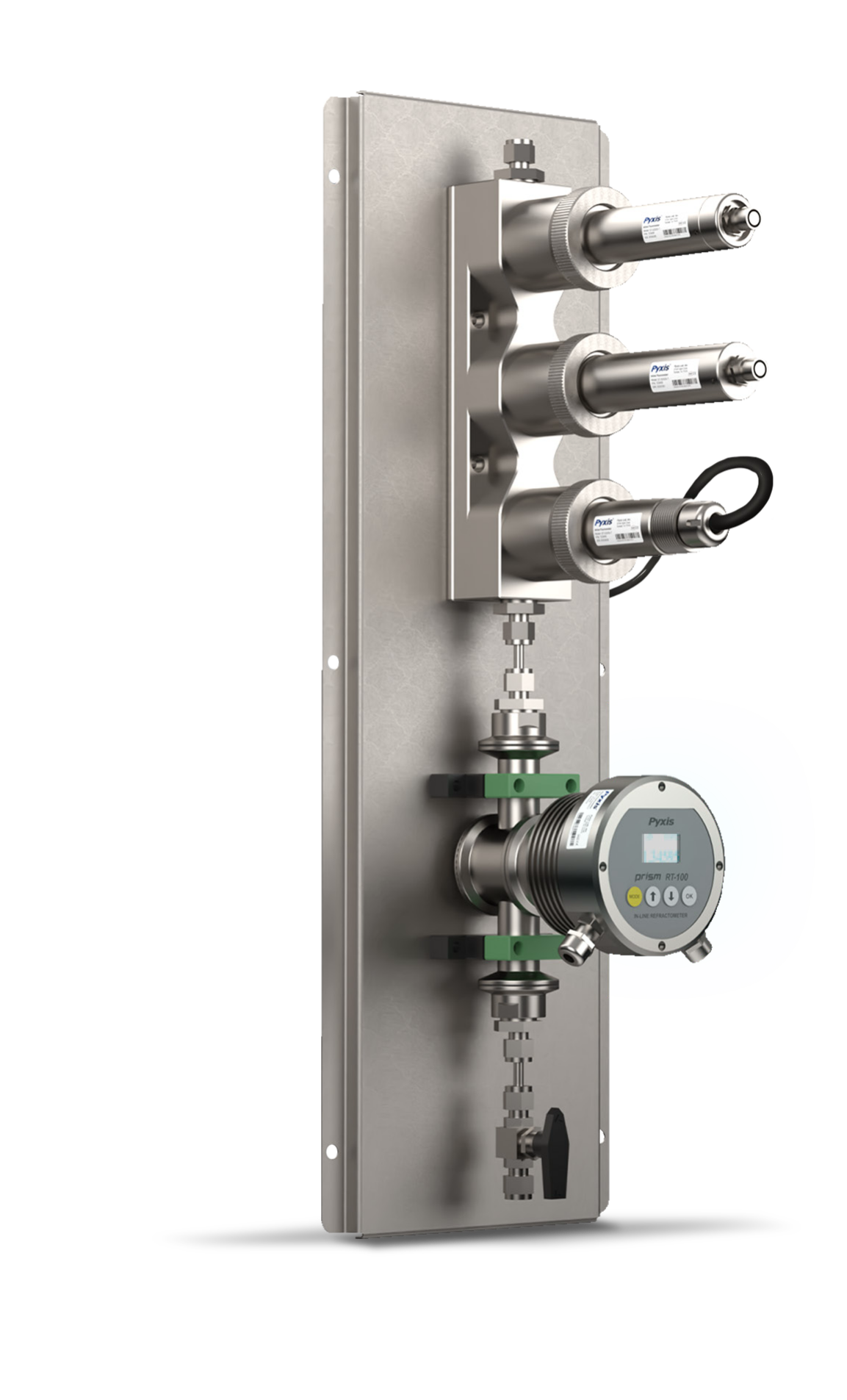
Nytt agentur – Pyxis Lab Inc.
Vi har nå fått et nytt agentur, Pyxis Lab. Inc.,…
-
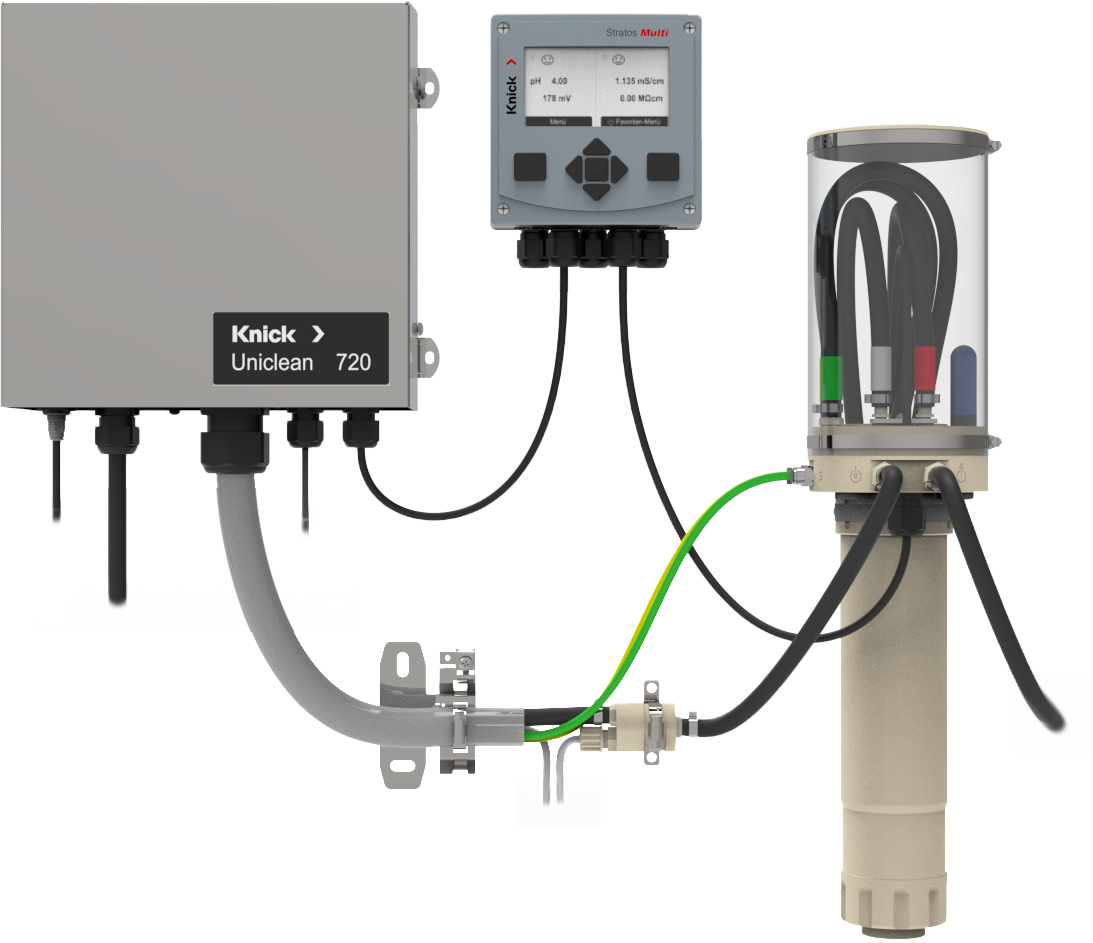
Nytt, fleksibelt sensorrengjøringssystem fra Knick
Uniclean 700-serien Moduloppbygget kontrollsystem for målesløyfer. Fleksibel elektropneumatisk kontroller for…
-
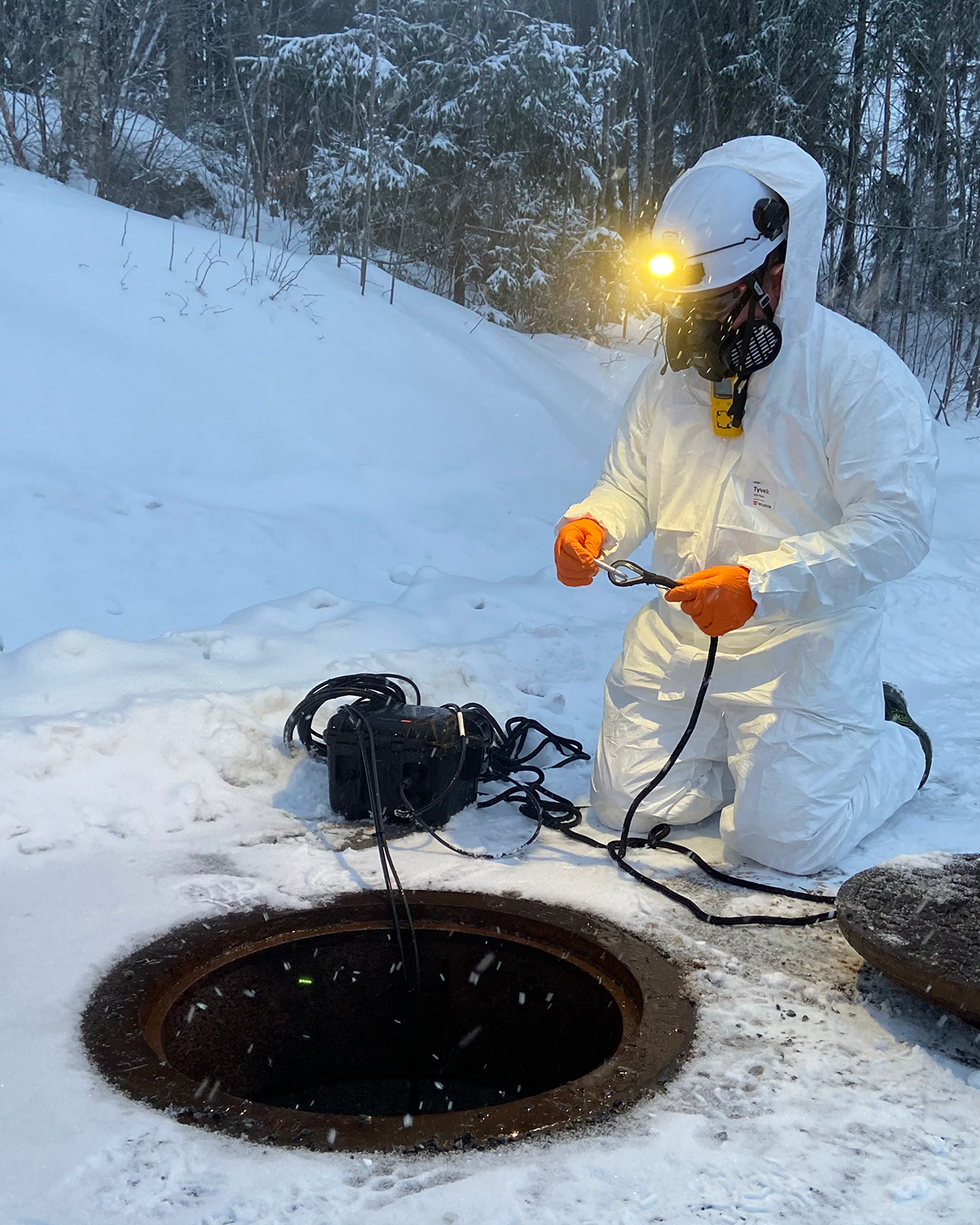
Raven-Eye radar flowmåler
J.S.Cock ute på serviceoppdrag for å løse kundens utfordringer.
-
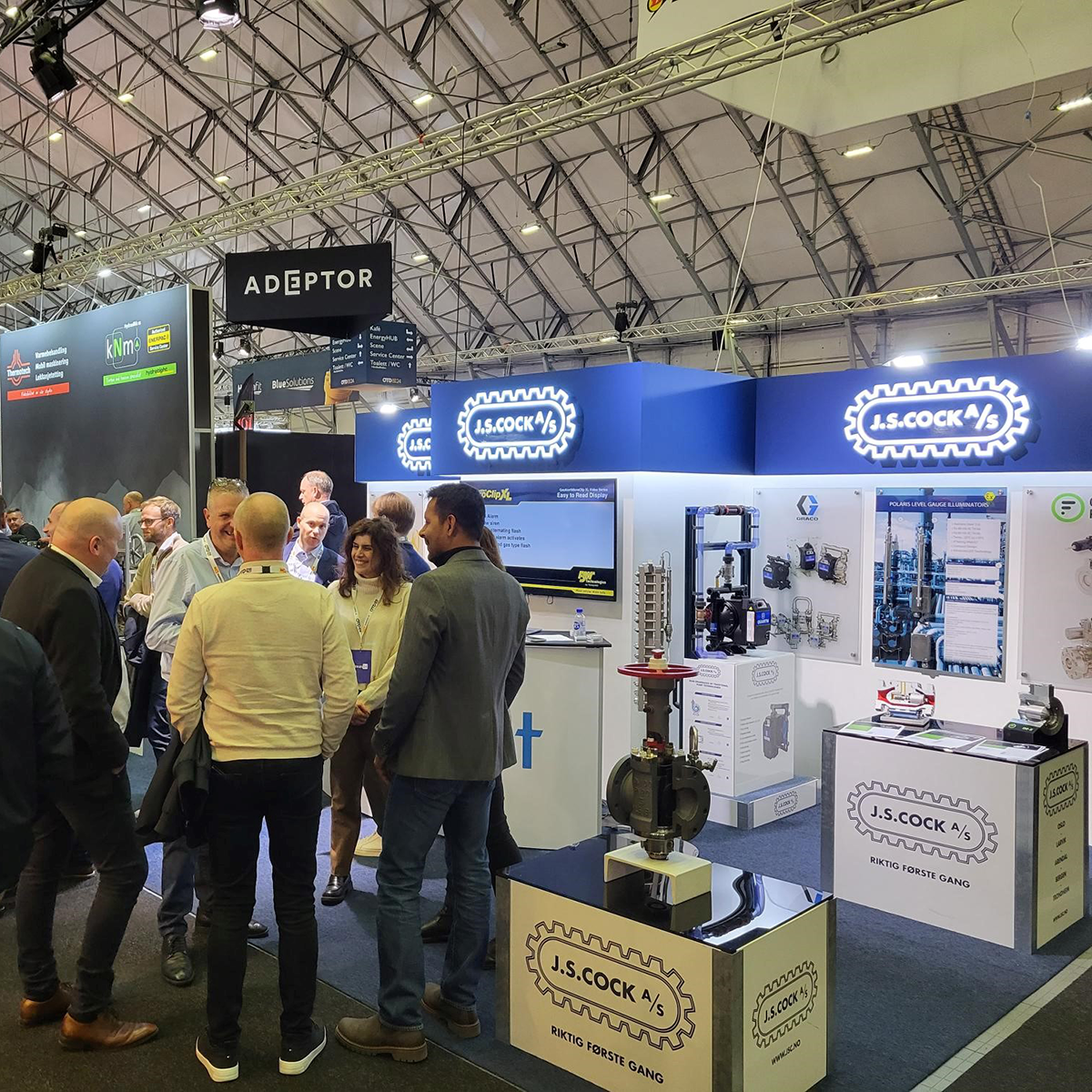
OTD Bergen 2024
J.S.Cock med egen stand på Offshore Teknologidagene.