
KOF – BOF – TOC – Tungmetaller og Næringssalter
KOF og BOF
KOF, Kjemisk Oksygen Forbruk, eller på engelsk “Chemical Oxygen Demand” (COD) er en viktig parameter som brukes til å vurdere vannkvalitet.
Den kvantifiserer mengden oppløst oksygen som kreves for kjemisk å bryte ned organiske materialer i vann. Eksempel på dette kan være petroleumsforbindelser.
Definisjon: KOF/COD representerer oksygenbehovet som trengs for å oksidere alle materialer som er til stede i en vannprøve.
I motsetning til BOF, Biologisk Oksygen Forbruk, eller på engelsk “Biochemical Oxygen Demand” (BOD), som måler oksygenet som forbrukes av bakterier over en 5-dagers periode, fokuserer KOF på kjemisk oksidasjon av alle stoffer.
Mens både KOF og BOF anslår ulike forurensningsnivåer, så tjener de forskjellige formål: KOF måler kjemisk nedbrytning av miljøgifter. BOF indikerer biologisk nedbrytning av organiske forurensninger av mikroorganismer. Det er en korrelasjon mellom KOF og BOF, men den må etableres eksperimentelt før du bruker en parameter for å uttrykke den andre. Vanligvis brukes KOF-analyse (som er raskere og mer nøyaktig) for å estimere BOF basert på denne korrelasjonen.
Høye KOF-nivåer i avløpsvann indikerer konsentrasjoner av organiske stoffer som kan tømme oppløst oksygen i vann, noe som fører til negative miljøkonsekvenser (fiskedød, for eksempel).
Overvåking av KOF hjelper til med å bestemme virkningen av organisk forurensning og sikrer overholdelse av regelverket for oksygenbehov i avløp. Det er viktig under kommunal og industriell avløpsvannbehandling å evaluere renseeffektiviteten og redusere organisk belastning før vann slippes ut i resipienten.
TOC
Alle organiske molekyler inneholder karbon: Totalt organisk karbon (TOC) er et mål på konsentrasjonen av organisk karbon i et stoff og anses for å være den beste indikatoren på forurensning, eller renhet, av et stoff.
Måling av TOC i prosessvannet gjør det mulig for bedrifter på tvers av en rekke bransjer å vite om vannet de bruker er rent nok for deres prosesser og formål, og ikke vil medføre helse- eller miljøskader. Et eksempel på TOC-måling er overvåking av produksjon av infusjonsvæsker i farmasøytisk industri.
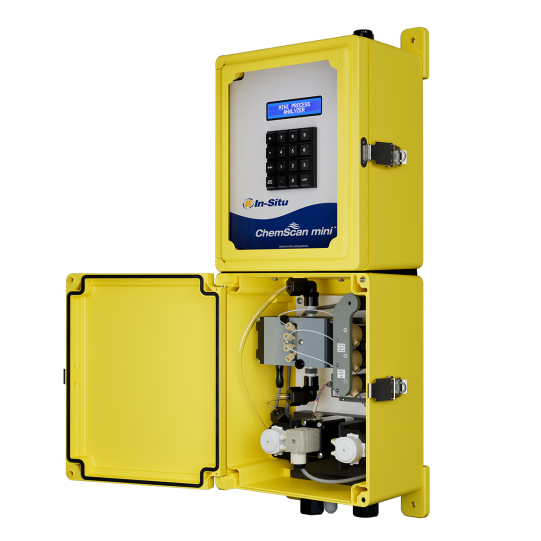
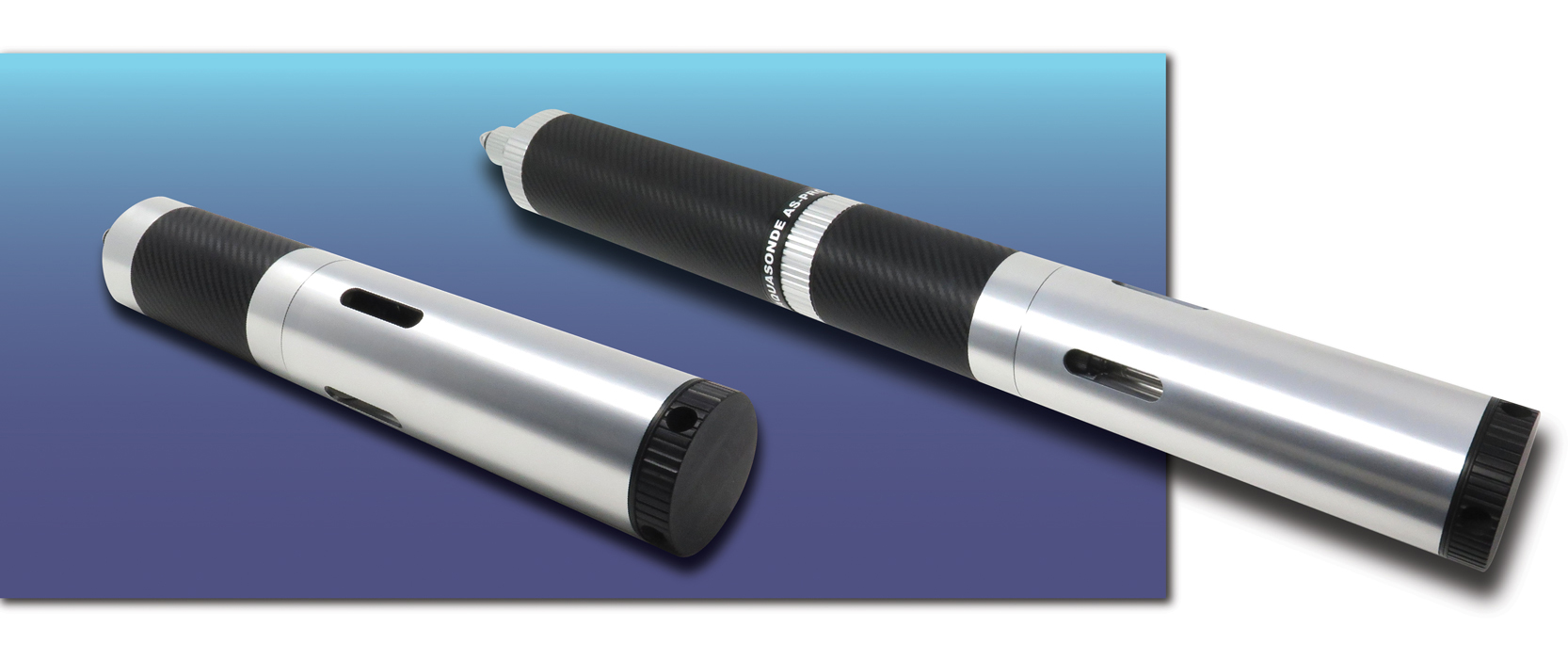
For kontinuerlig måling kan vi levere instrumenter som måler med UV-absorbansteknikk. Disse gir såkalte «ekvivalent»; CODeq, BODeq, TOCeq verdier, som ikke er like nøyaktig som labanalyser, men gir likevel kontinuerlige øyeblikksverdier som indikerer bra hvordan man ligger an med organisk innhold i prøven, samt at man behøver ingen reagenser for å utføre målingene.
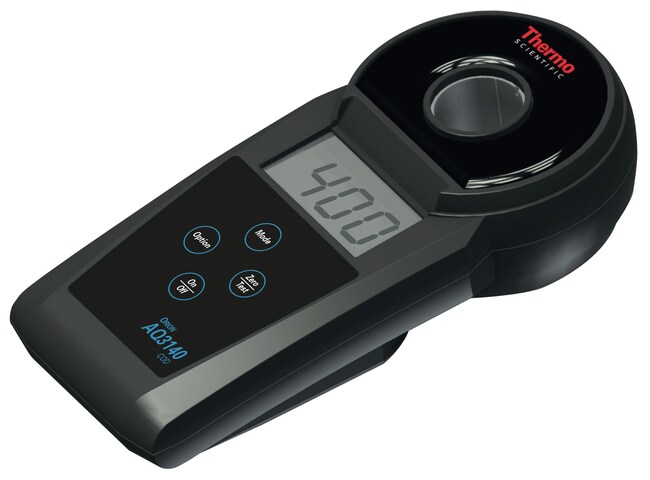
Vi kan også levere laboratorie- og portable instrumenter som følger internasjonalt godkjente målemetoder.
Tungmetaller og Næringssalter
Tungmetaller regnes som metalliske grunnstoffer med en tetthet som er høyere enn 5 g/cm³, som da vil si minst 5 ganger større tetthet enn vann.
Eksempler på grunnstoffer som hører til denne gruppen er kobber (Cu), krom (Cr), kvikksølv (Hg), nikkel (Ni), jern (Fe) og sink (Zn).
Siden dette er grunnstoffer, så lar de seg ikke bryte ned, og kan derfor akummuleres til uheldige nivåer i naturen ved for mye utslipp fra ulike industrier. Via næringskjeden finner grunnstoffene også veien inn i dyr og dermed til oss mennesker.
For å måle tungmetallbelastning benyttes velkjente labmetoder innenfor prinsippene fotometrisk og colorimetrisk, titrering og ionselektivt. Vi leverer utstyr som benytter disse måleteknikkene.





Nyheter
-
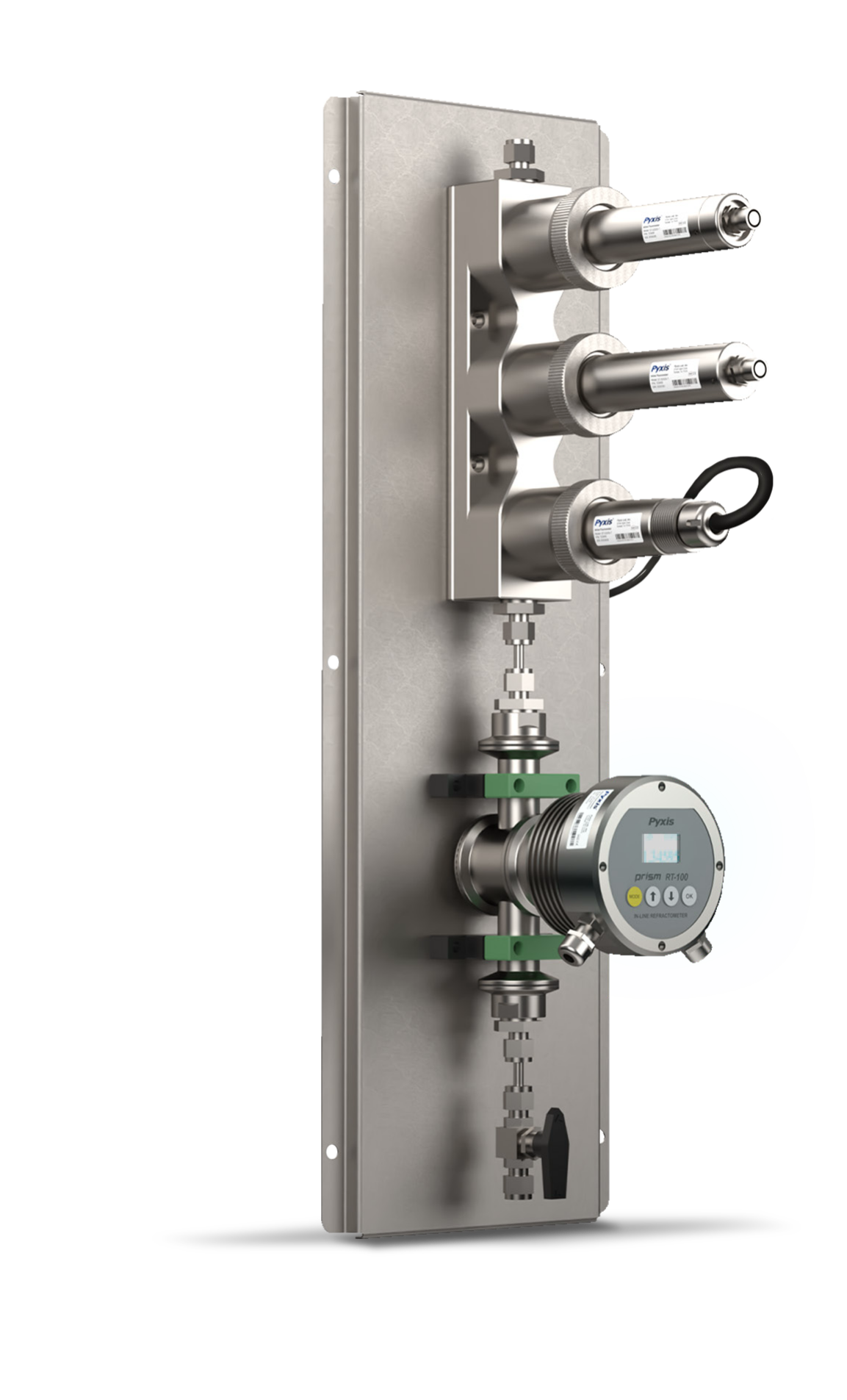
Nytt agentur – Pyxis Lab Inc.
Vi har nå fått et nytt agentur, Pyxis Lab. Inc.,…
-
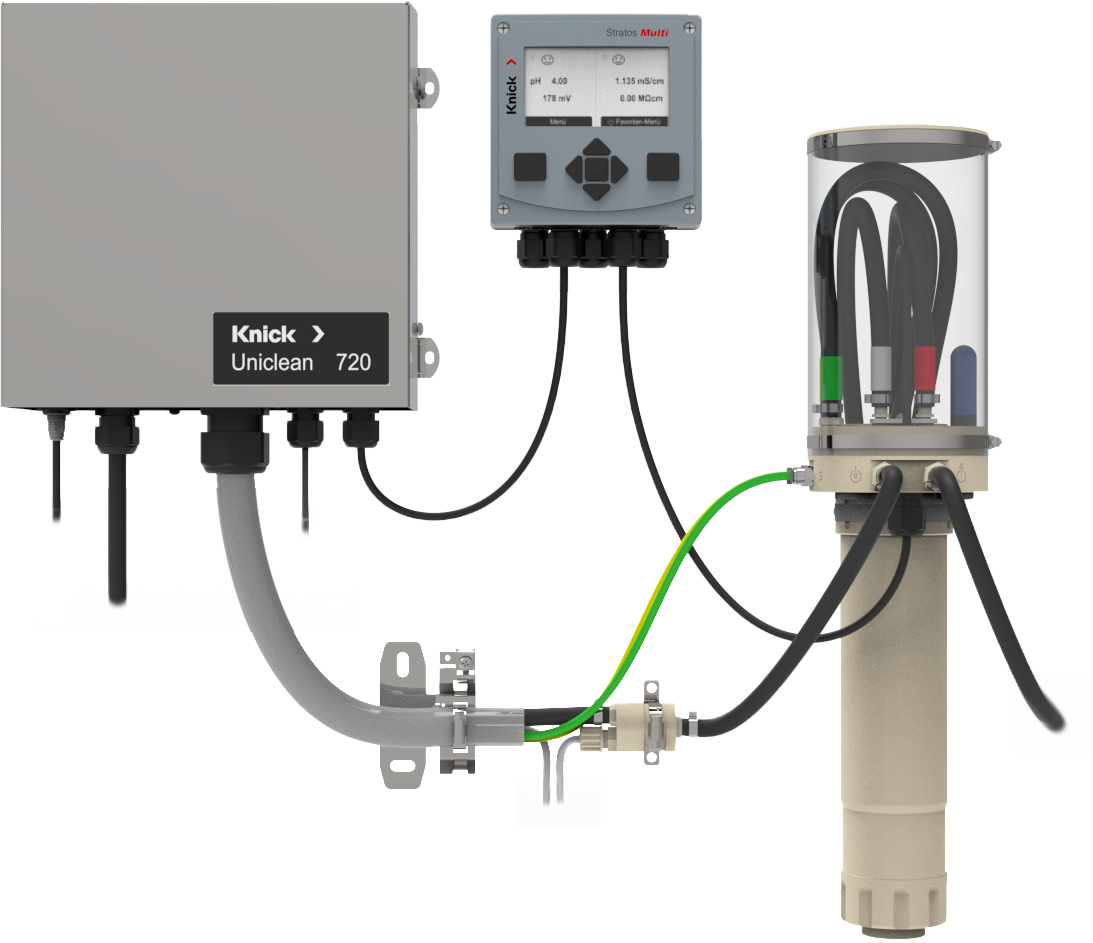
Nytt, fleksibelt sensorrengjøringssystem fra Knick
Uniclean 700-serien Moduloppbygget kontrollsystem for målesløyfer. Fleksibel elektropneumatisk kontroller for…
-
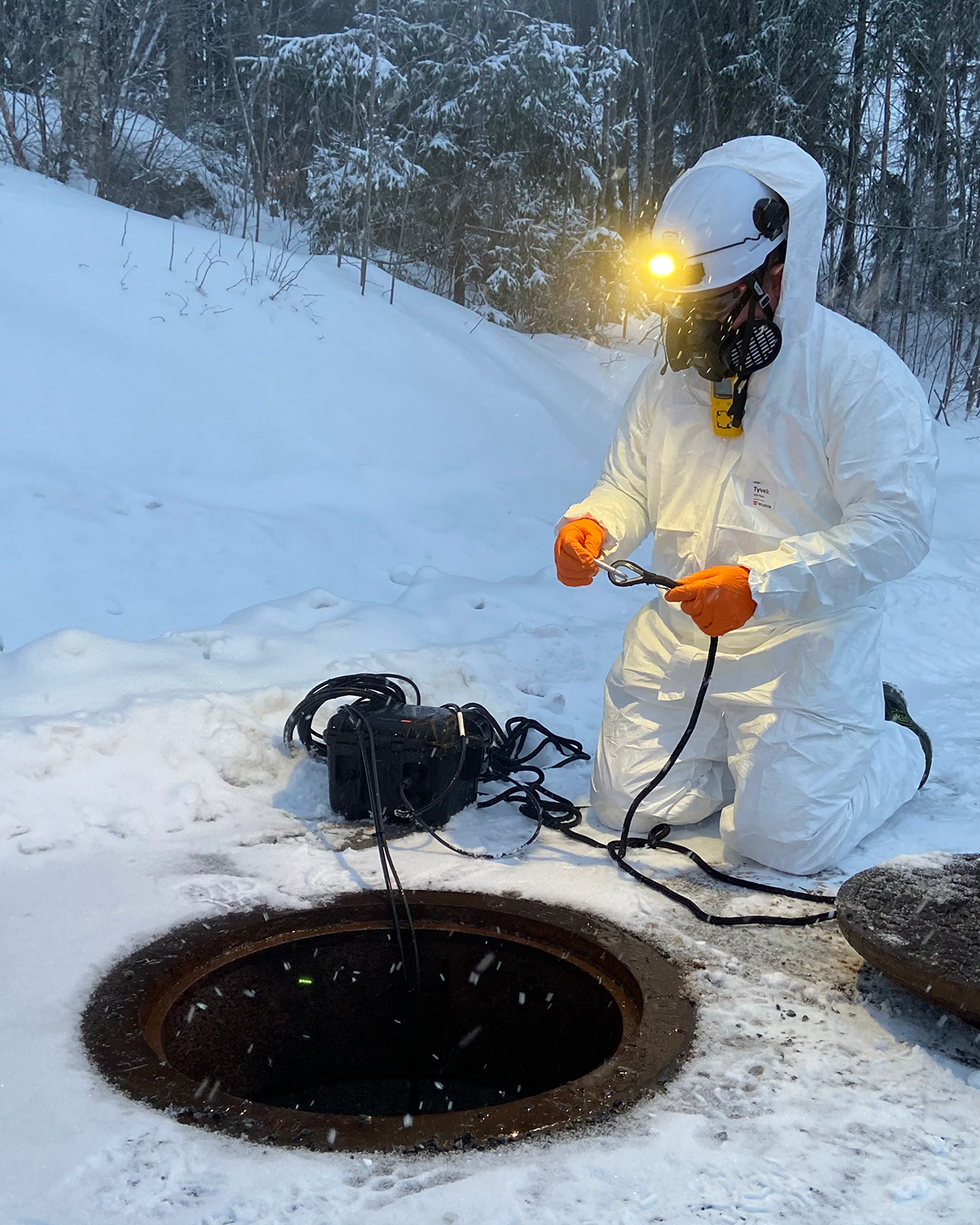
Raven-Eye radar flowmåler
J.S.Cock ute på serviceoppdrag for å løse kundens utfordringer.
-
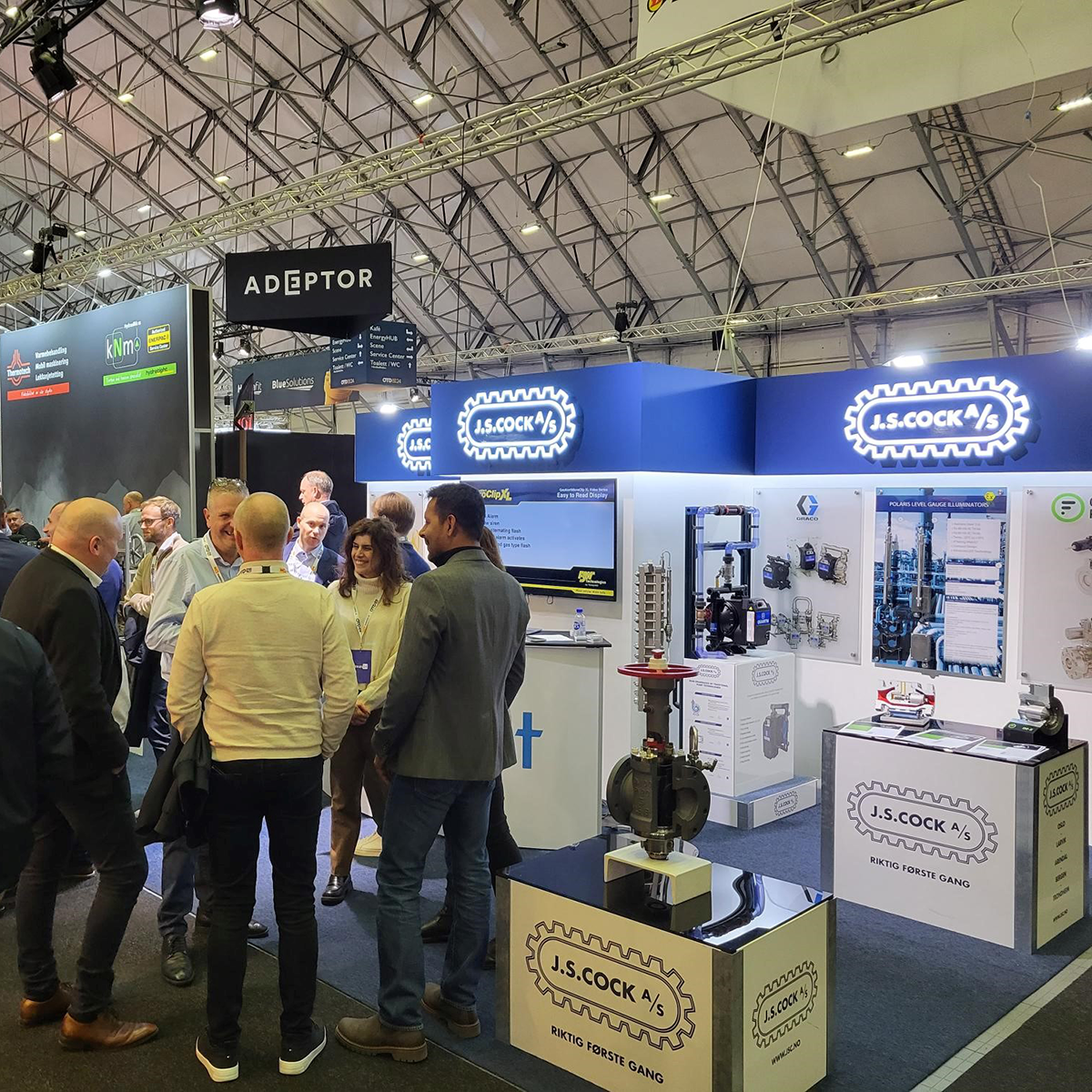
OTD Bergen 2024
J.S.Cock med egen stand på Offshore Teknologidagene.