
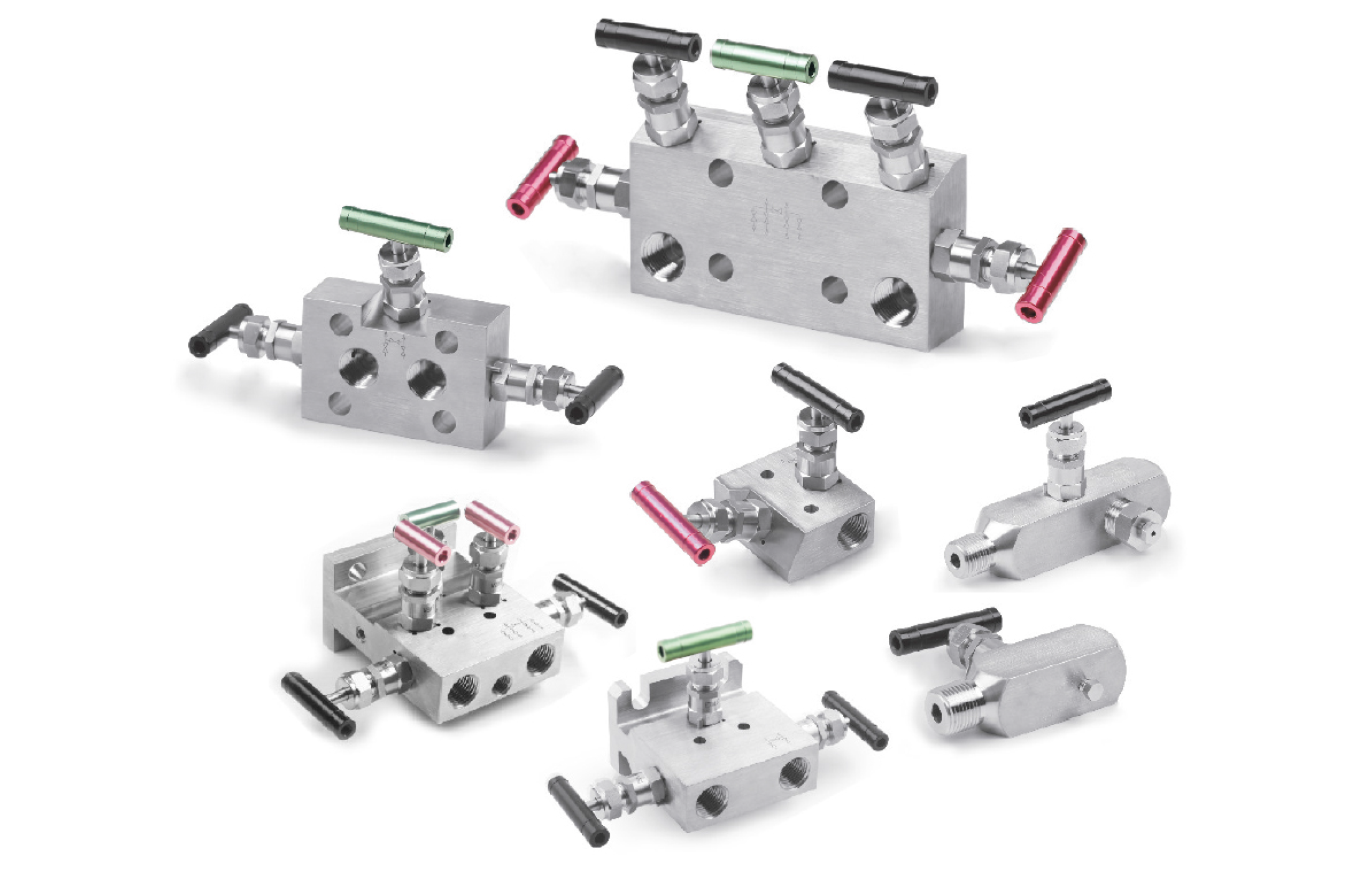
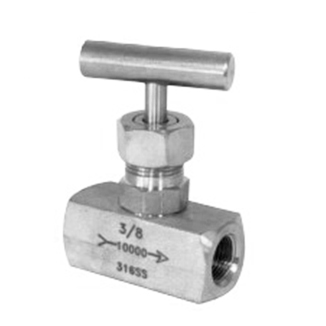
Needle valves
A needle valve is used for precise regulation of flow rate for clean gases or liquids through gradual adjustment of the spindle and piston. The valves are typically used at low flow rates, and they cause a relatively significant pressure drop from inlet to outlet. Sizes normally vary from 1/8″ to 2″ (2 to 12 mm). The most common use of a needle valve is to control gas, such as propane in a tank.
The stem or spindle in a needle valve has a conical end that is raised and lowered by turning a handle to open or close an orifice. As the handle is turned, the spindle moves up or down through threads. The locking nut prevents the spindle from being screwed out completely. When the spindle moves downward, its pointed (conical) end contacts the valve seat to completely seal the orifice. The valve seat is often also conical. This allows for precise control of the flow rate. Needle valves are available threaded, flanged, or welded.
Advantages of needle valves include the ability to fine-tune flow. Disadvantages can include pressure drop, needle and seat damage from contact with larger particles, and the inability to see the position.



News
-
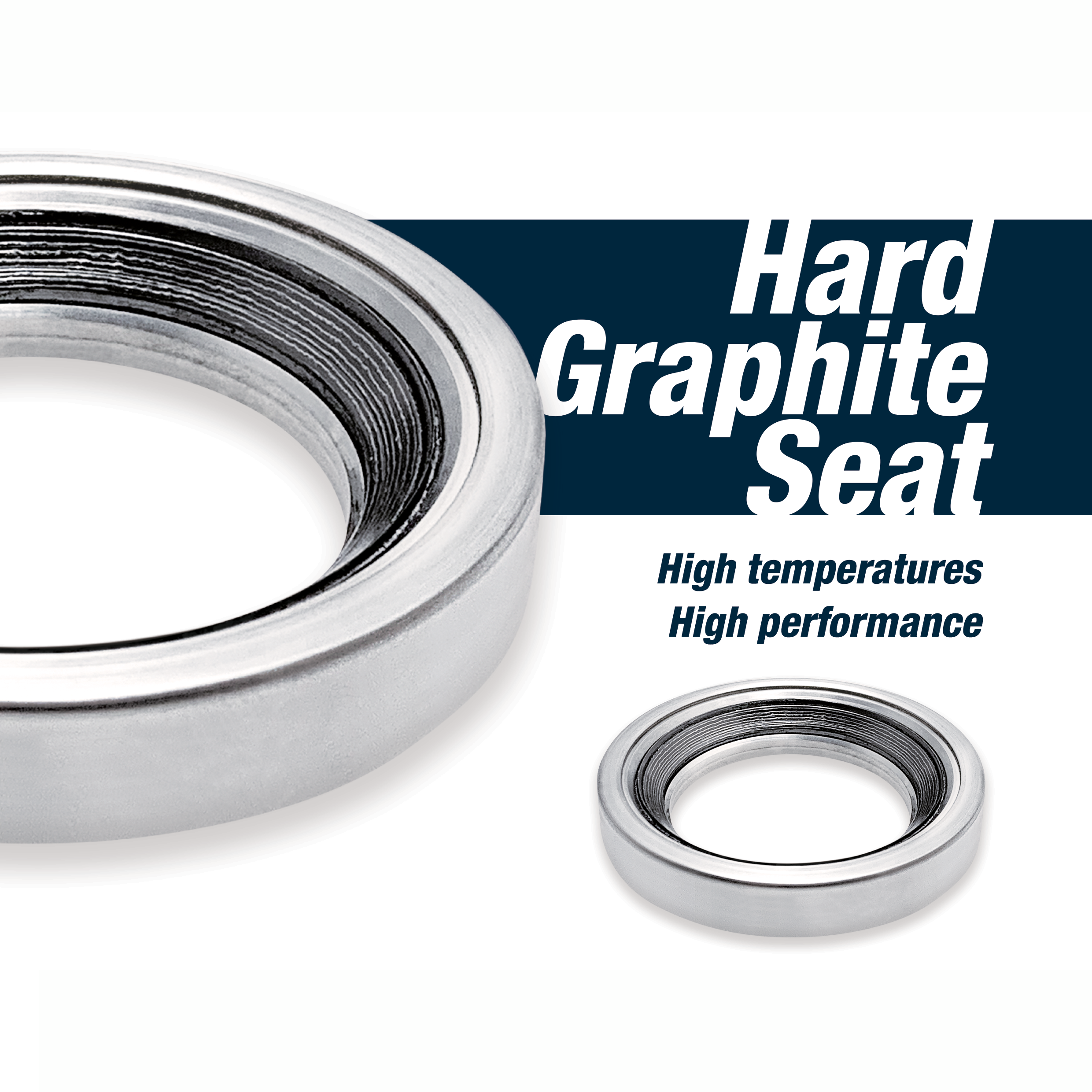
Introducing «Hard Graphite Seat» Ball Valves
Developed for high temperatures without the use of metal seats We have…
-
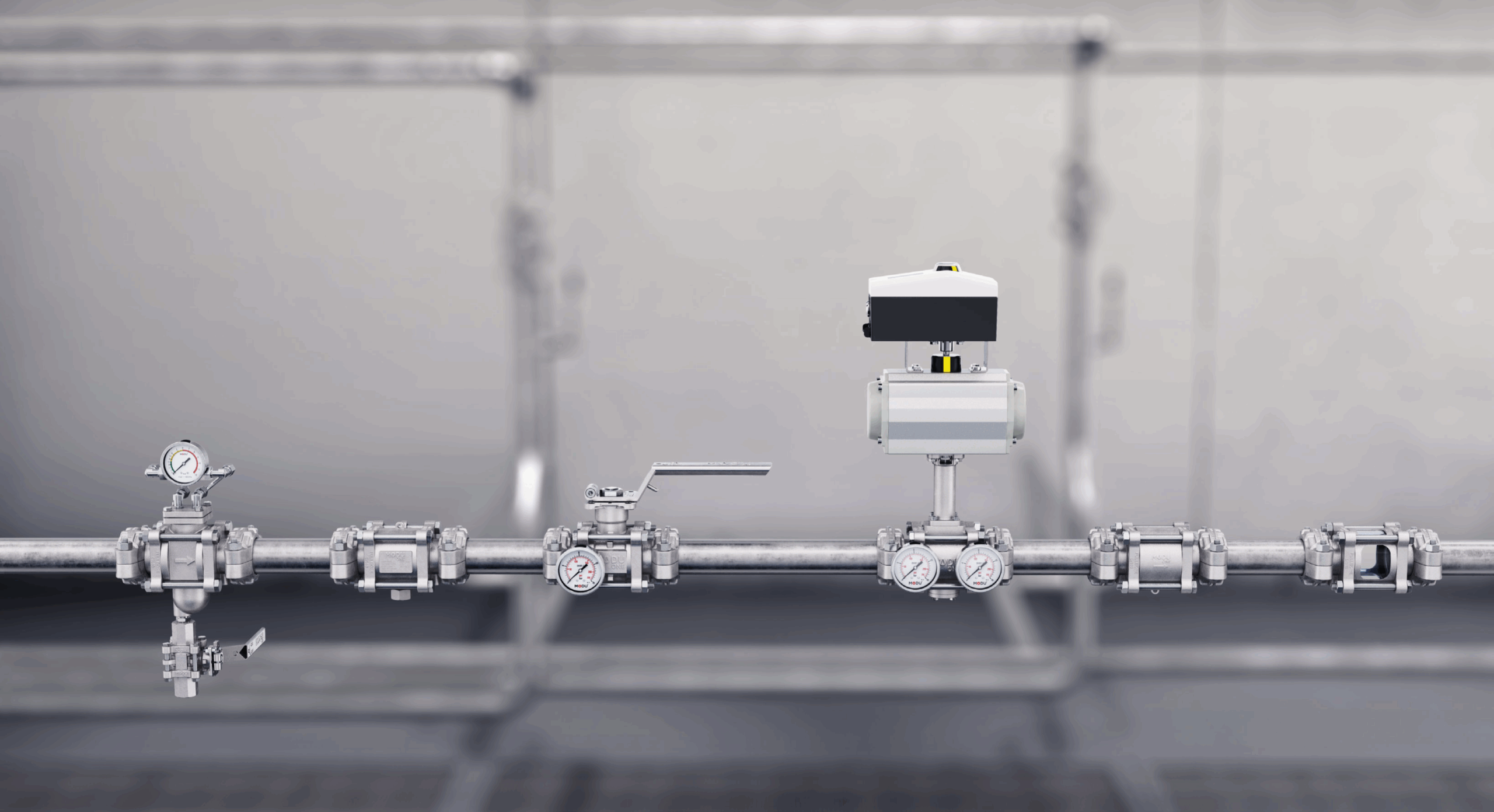
MODU ONE – modular valves
MODU ONE In collaboration with its partners, MODU has invested…
-

OTD Stavanger 2025
Also this year, J.S. Cock will be present at OTD in Stavanger…
-

Reference projects in hydropower
J.S.Cock has extensive experience with valves and actuation for hydropower plants.