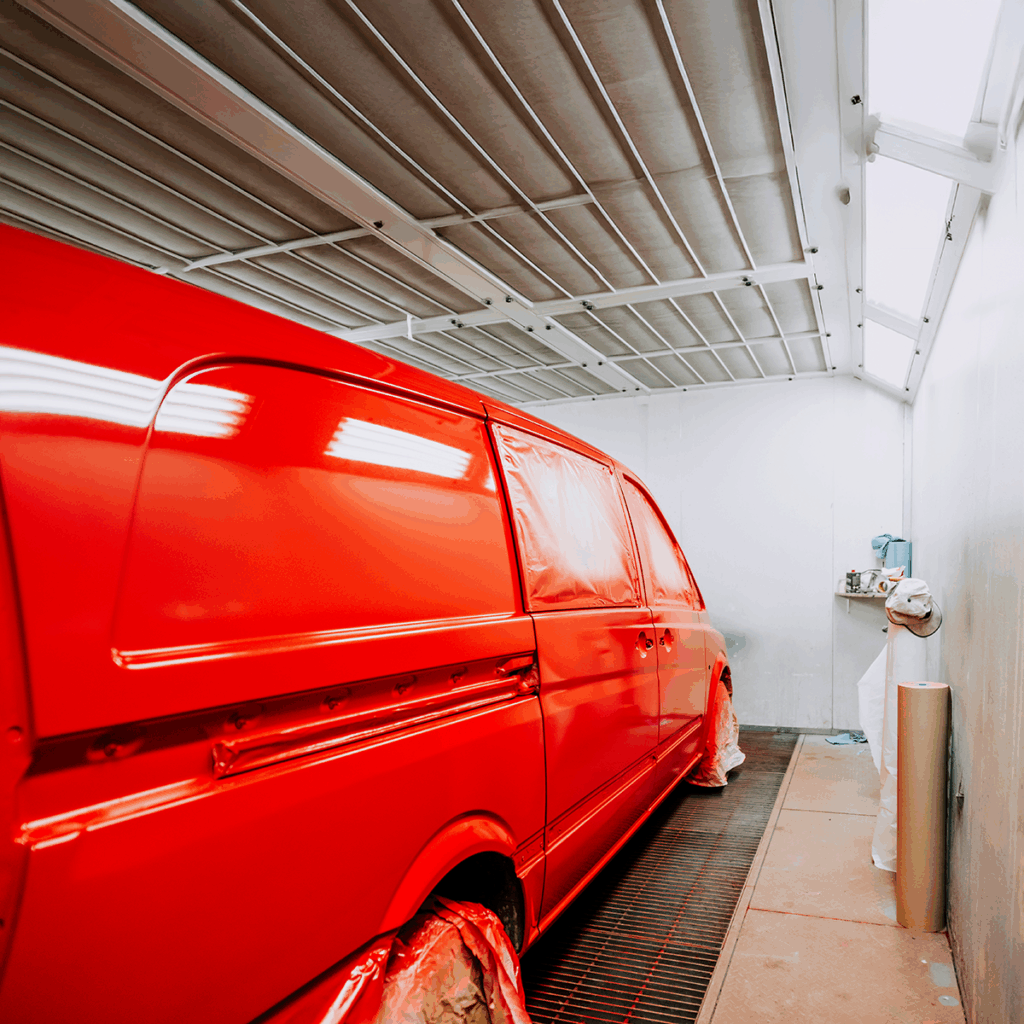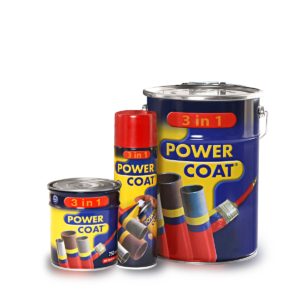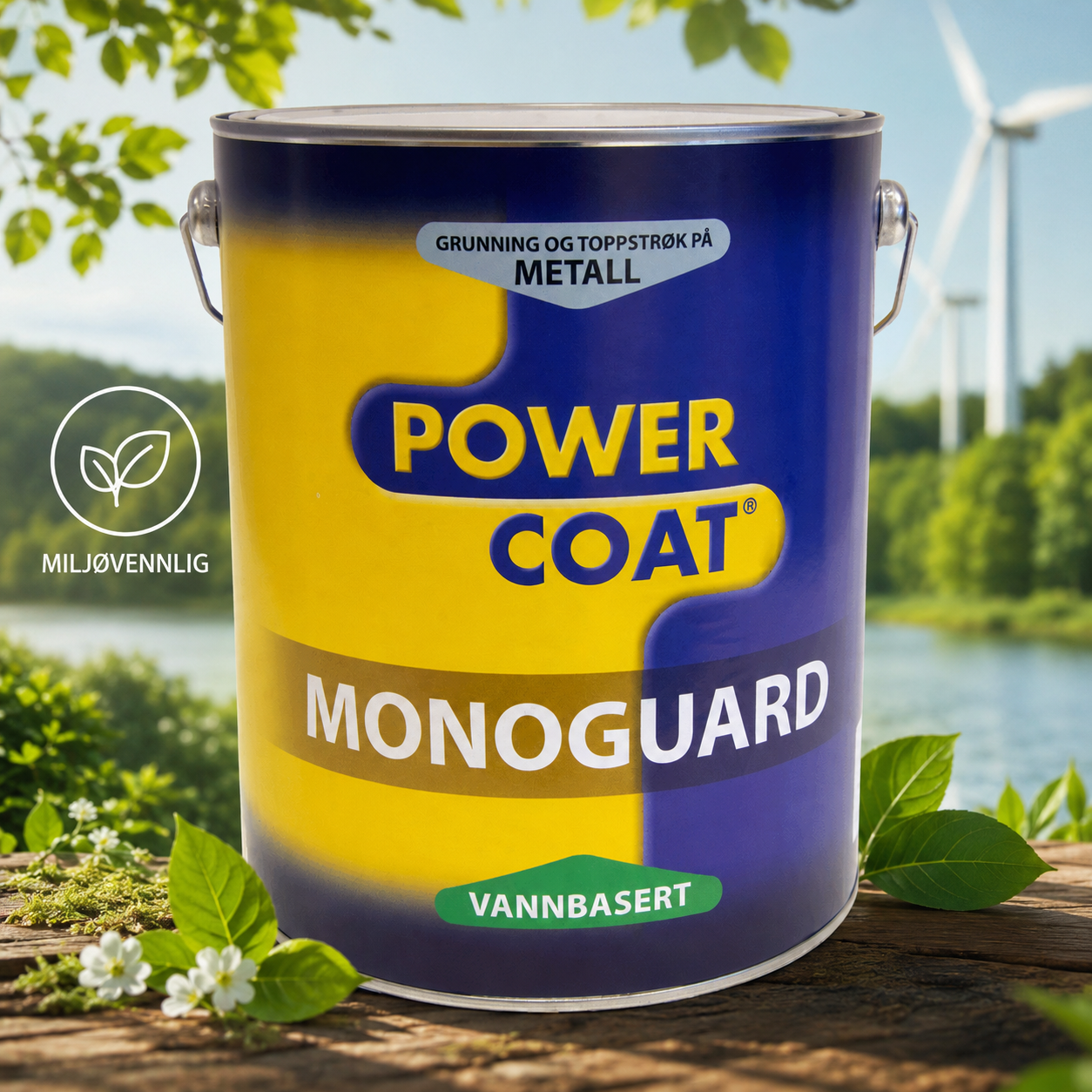
Dersom man ønsker å bruke Power Coat 3 in 1 til lakkering av bil, er det viktig å være klar over at dette er en industrimaling og ikke kan sammenlignes direkte med tradisjonell billakk. Mange eldre biler har i tillegg vært behandlet med voks og poleringsmidler som inneholder silikon, og dette kan skape en uønsket kjemisk reaksjon mellom gammel og ny lakk. For å sikre godt et resultat må derfor forarbeidet utføres svært grundig.
Forbehandling
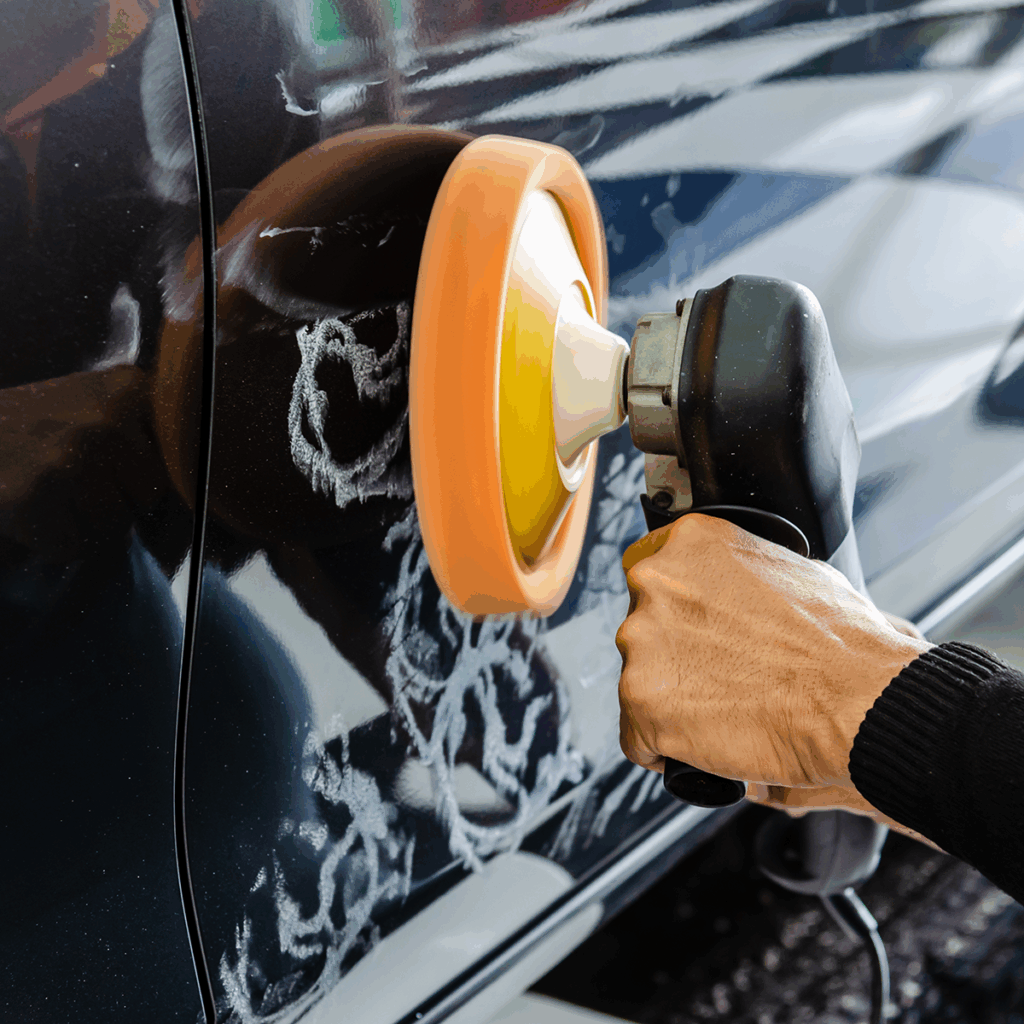
Start med å vaske bilen nøye for å fjerne smuss og voksrester, gjerne med høytrykkspyler og et avfettingsmiddel med høy pH-verdi. Deretter bør du bruke et spesialmiddel som løser opp olje og fett, for eksempel rødsprit, slik at overflaten blir helt ren og klar for videre behandling. Når underlaget er renset, slipes og pusses overflaten lett for å gjøre den matt og gi best mulig vedheft til ny lakk. Dersom silikonprodukter sitter dypt i gammel lakk, kan det være nødvendig å slipe helt ned til bart stål og bygge opp et nytt lakksystem fra grunnen av.
Dersom du skal male rammen og har sandblåst den, trenger du egentlig ikke å påføre en spesiell grunning, men ved bruk av Nitrofest kan du spare tid: den herder raskere, har enda bedre vedheft enn 3 in 1 og er slipbar.
Malingsprosessen
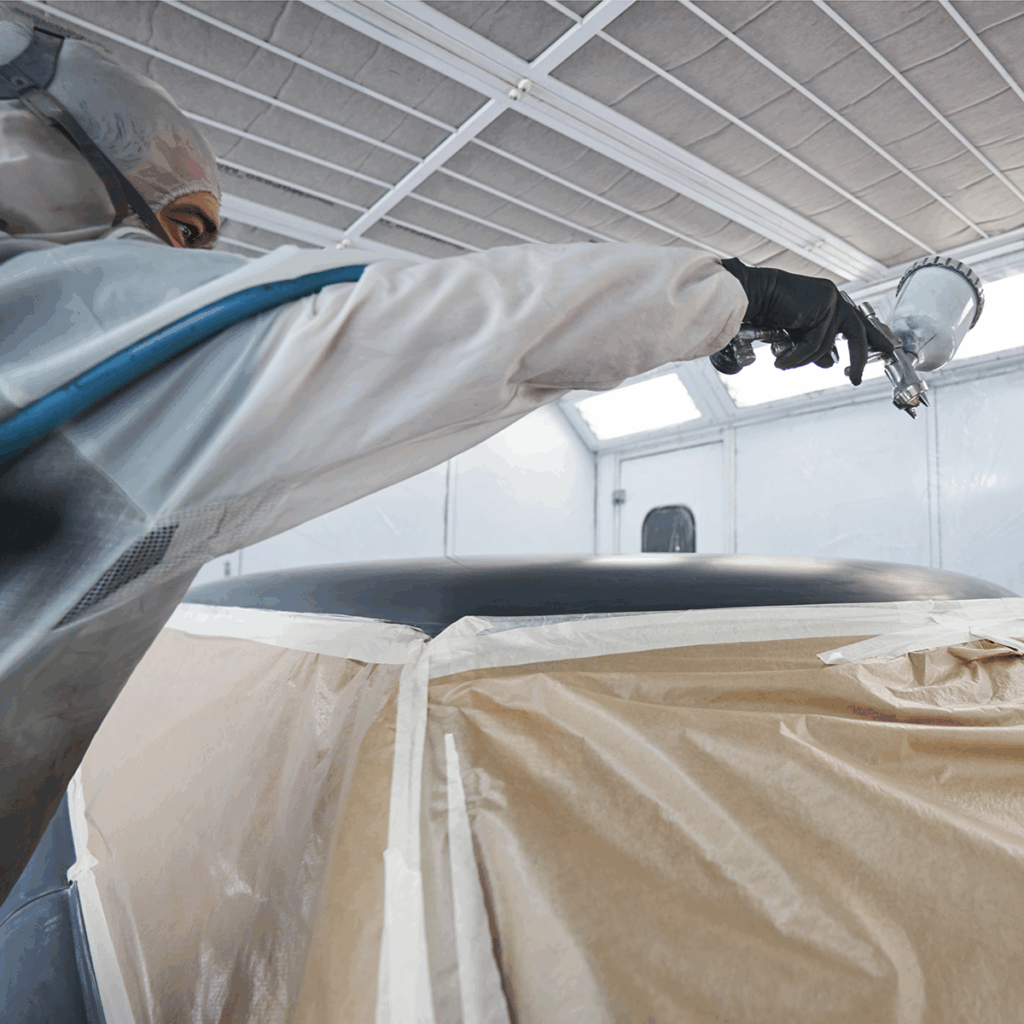
Ved påføring av Power Coat 3 in 1 anbefales det å sprøyte to strøk med ca. 60 µm tykkelse per strøk. For å oppnå bedre holdbarhet mot vær og UV-stråling, anbefales deretter ett strøk med Power Coat Kristallglasur eller vår tokomponent Anti-Graffic klarlakk. Klarlakken bør legges etter 12–24 timer tørketid, avhengig av forholdene. Dersom finish ikke er avgjørende, kan Power Coat 3 in 1 også påføres med rulle, etter samme prinsipp.
På denne måten sikrer man at malingen hefter godt, får en jevn beskyttelse og holder seg pen over tid.
Noen punkter å tenke på
Som all maling vil også Power Coat 3 in 1 påvirkes av UV-stråling – den vil mattes ned og falmes over tid.
Skal du bruke 3 in 1 på en veteranbil du bare kjører om sommeren, dvs. at den ikke kommer i kontakt med saltvann, trenger du ikke nødvendigvis klarlakk som toppstrøk, men det anbefales likevel som ekstra beskyttelse – på understellet som beskyttelse, og på panseret for glansen.